Who is a technical customer and why without it, construction easily turns into chaos
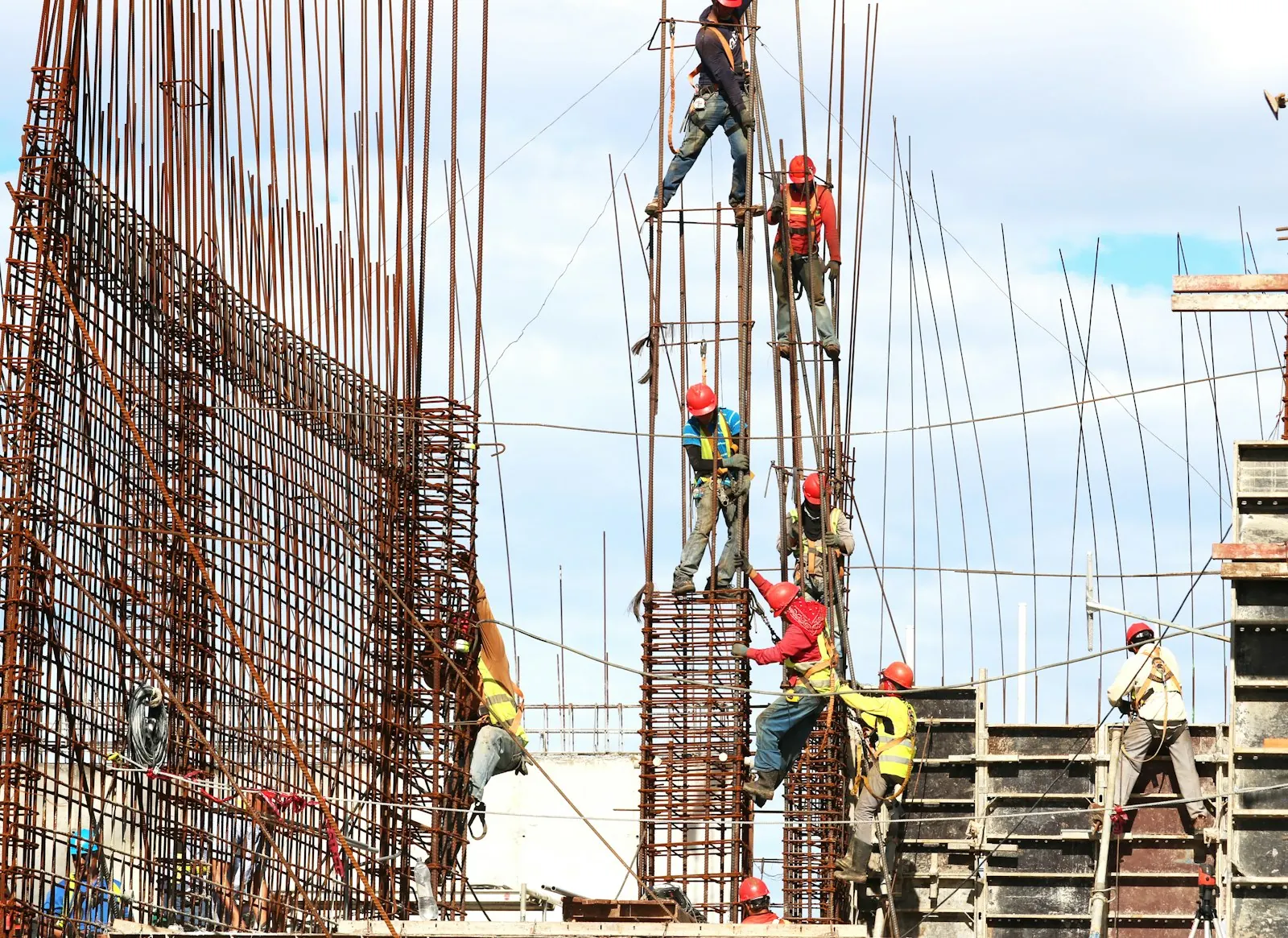
Imagine the construction of a large facility
Imagine the construction of a large facility.
There's a customer. There's an architect. There's designers. There's contractors. There's equipment suppliers. There's engineers. There's government agencies. There's dozens of contracts, documents, deadlines and decisions.
Everyone is only responsible for their part of the work.
Who is responsible for making sure that the whole project comes together in the end?
This is why a technical customer is needed.
Simply put, this is a representative of the customer at the construction site.
A technical customer does not build a building instead of a contractor or design it instead of an architect.
Its task is to manage the whole process and make sure that different participants in the project move in the same direction.
You can compare him to an orchestra conductor.
Every musician knows his part perfectly, but if no one controls the overall performance, the music may never work out.
It's about the same with construction.
Work begins long before construction equipment
Most of the problems of the future facility are laid before construction begins.
It is necessary to obtain the initial data, technical specifications, conduct the necessary research, correctly form the technical task and organize the design.
A mistake at this stage can occur much later, when it is expensive and difficult to correct.
Therefore, the task of the technical customer is to see the whole project before the contractor enters the construction site.
During construction, the issues become even greater.
Are the works consistent with the project?
Is the contractor behind schedule?
Are the materials used correctly?
Does the actual amount of work performed coincide with the amount for which the bill is billed?
Will the equipment be delivered on time?
Are the decisions of different contractors in conflict?
Each of these questions seems like a little bit of work, but it's the little things that make up the timeline and the budget of the project.
One center of responsibility instead of dozens of individual conversations
One of the main tasks of the technical customer is coordination.
The customer does not have to figure out why one contractor is waiting for the designer, the designer is waiting for the initial data, and the supplier cannot order the equipment because the technical solution has not yet been approved.
Someone has to see the whole chain and notice where the problem is.
The sooner it is found, the cheaper it is to fix it.
When is the construction completed?
Building a facility is not enough.
It is necessary to conduct acceptance, check documentation, eliminate comments and organize the procedures necessary for the commissioning of the facility.
That is, the technical customer accompanies the project not to the moment when the builders left the site, but to the moment when the object is really ready for work.
For which projects is this particularly important?
The larger the object, the more participants and the higher the cost of error.
Therefore, the services of a technical customer are especially in demand in the construction of residential complexes, hotels, business centers, office, industrial and other commercial facilities.
ART ELECTRO accompanies projects along the entire path: from pre-design preparation and design to construction control, configuration and commissioning of the facility.
Construction almost never goes exactly as planned, and it's not a question of whether there will be changes and complications.
The question is who will notice them in time and take over the situation.